

Two-factor authentication (2FA) adds a supplementary layer of security to online transactions. It requires users to provide two separate forms of identification before accessing an account. Typically, this involves something you know, like a password, and something you have, like a phone or security token. By combining these elements, 2FA ensures that even if a password is compromised, unauthorized access is much harder.
Why Passwords Alone Are Not Enough
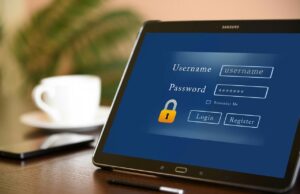 Passwords have long been the standard for online security, yet they are often weak or reused across multiple accounts. Hackers exploit this through phishing, brute force attacks, or data breaches. Even complex passwords can be stolen or guessed. Relying solely on passwords leaves transactions vulnerable. Two-factor authentication adds a critical second barrier, protecting sensitive information from malicious actors.
How 2FA Works
The most common 2FA methods include SMS codes, authenticator apps, email verification, and biometric recognition. When logging in, a user first enters their password. Then, a temporary code or prompt confirms their identity. Some platforms use push notifications or fingerprint scans for added convenience. These steps make it significantly more difficult for cybercriminals to access accounts, providing peace of mind for users and businesses alike.
Benefits for Financial Transactions
Financial transactions are particularly sensitive, making 2FA essential. Online banking, e-wallets, and payment platforms are prime targets for fraud. Using two-factor authentication reduces the risk of unauthorized transfers and identity theft. It ensures that both parties in a transaction are verified, adding a layer of confidence. Even if a hacker gains access to login credentials, the transaction cannot proceed without the second factor.
Reducing Fraud and Identity Theft
Fraud and identity theft can cause severe financial and emotional consequences. Two-factor authentication acts as a preventive measure, drastically lowering the chances of successful attacks. It ensures that accounts cannot be accessed solely through stolen passwords or leaked data. For businesses, 2FA also protects against fraudulent purchases, chargebacks, and reputational damage. The system creates a safeguard that balances user convenience with security.
Implementing 2FA in Everyday Life
Adopting 2FA is simple yet powerful. Users can enable it on email accounts, banking apps, social media platforms, and e-commerce sites. Many services offer easy-to-follow setup guides. Using an authenticator app or SMS codes is often sufficient for most daily transactions. Businesses can also enforce 2FA for employees handling sensitive financial or personal information, ensuring consistent security across the organization.
The Future of Secure Transactions
 As cyber threats evolve, two-factor authentication continues to adapt. Biometric verification, hardware security keys, and AI-based authentication methods are emerging to strengthen transaction security. These innovations aim to make security even more robust without sacrificing usability. The utmost goal remains the same: protecting users and businesses from fraud while ensuring smooth, confident transactions. Two-factor authentication is now a cornerstone of modern digital security, bridging the gap between convenience and safety.
While 2FA enhances security, it comes with challenges. Users may find the extra steps inconvenient, especially during frequent logins. SMS-based codes can be intercepted in rare cases, and authenticator apps require a smartphone. Backup codes and alternative authentication methods are crucial in case devices are lost or inaccessible. Despite these hurdles, the benefits far outweigh the minor inconveniences. With proper guidance, 2FA can become a seamless part of daily digital life.